USA Live Dealer Blackjack: Why Infinite Blackjack Unlimited Seats Rewrites the Table Math
The bottleneck in traditional live dealer blackjack was never the shuffle or the shoe — it was the physical seat count, and USA Live Dealer Blackjack operators know that a seven-seat table caps your hourly handle no matter how much traffic you push through the lobby. Infinite Blackjack shatters that ceiling by decoupling the player count from the felt. One dealer, one physical shoe, and an unlimited number of remote seats riding the exact same cards in real time. That single architectural decision changes everything downstream: liquidity, session duration, and the raw economics of a studio that never has to build another table.
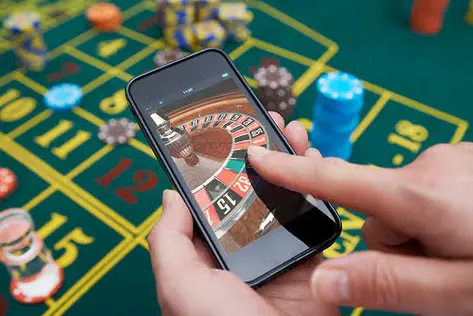
The Shared-Hand Engine and Its Dealer-Facing Consequences
Here is the mechanic that separates the pretenders from the real operators. In Infinite Blackjack, every remote player receives their own two hole cards dealt from a virtual overlay, while the dealer's upcard and every subsequent community draw come from a single live shoe on the studio floor. You are not playing against other players — you are playing your hand against a shared dealer hand. 😤 The dealer never waits on a slow decision, because the software runs a decision clock per seat and auto-stands anyone who ghosts. For a studio running 24/7 into the USA market, that means zero dead air and zero dealer idle time. The house edge stays mathematically locked to the rule set, not to the speed of the slowest tourist at the felt.
Virtual Community: The Social Layer That Keeps Seats Warm
Strip the social proof away and unlimited seating becomes a lonely grind. The Virtual Community in USA layer is what actually retains players — side chat, emoji reactions, shared bet feeds, and leaderboard callouts that simulate the banter of a packed Vegas pit without the physical crowding. From an audit standpoint, this is where operators leak money if they get it wrong: moderation latency, chat spam, and bot infiltration all erode trust faster than any bad shoe. Get the community tooling tight and you convert a solo grinder into a six-hour session. Get it sloppy and the unlimited seats just mean unlimited churn.

Latency Budgets, RNG Boundaries, and the Audit Trail
Anyone claiming a shared-shoe product runs clean without a brutal latency budget is lying to your face. The dealer's physical card must be captured, encoded, and broadcast to every seat inside a sub-second window, or the virtual overlay desyncs from the felt and the hand becomes legally contestable. The random number generation only governs the per-seat hole cards and side-bet outcomes — the community draw is deterministic and verifiable against the video feed. That split is the audit goldmine: replay the shoe, replay the RNG seed, and reconcile every seat against the same timestamp. 🎯 Operators who archive that reconciliation log per hand sleep well; the ones who don't are one dispute away from a regulatory nightmare.
Why Unlimited Seats Skews the Hold and the Handle
Unlimited seating does something subtle to your metrics that spreadsheets miss. Because every seat plays the same dealer hand, the variance per seat stays identical, but the aggregate handle scales linearly with concurrency while studio costs stay flat. That is a margin machine — provided your rule set does not gift away edge through liberal side bets or generous double-down rules that the shared-shoe format makes cheap to exploit. Run the numbers on a 3:2 payout with restricted splits and the hold holds firm. Loosen it for marketing and the unlimited seats become an unlimited liability. The math does not care about your conversion funnel. 🃏